christian buschardt
Why does the NHL allow fighting?
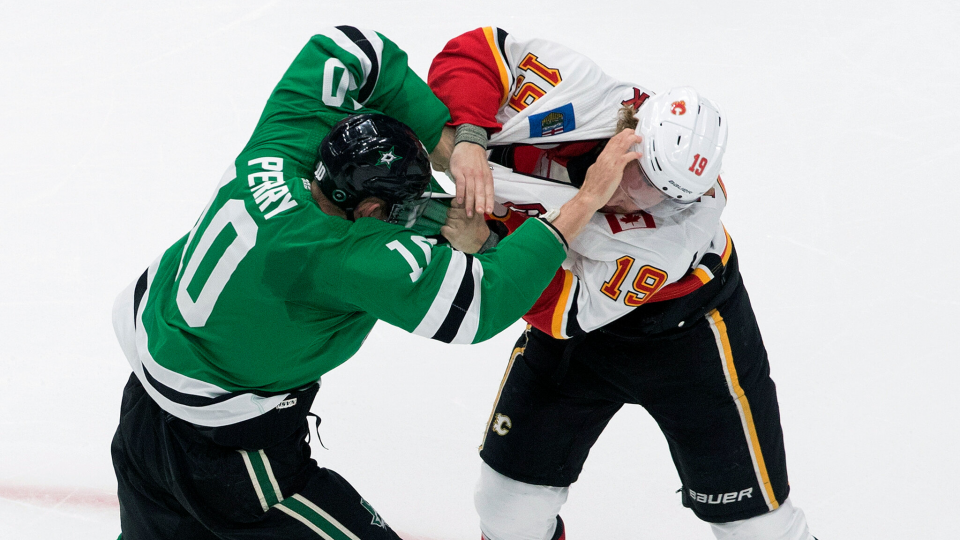
In this article we'll take a look on the fighting rules in the NHL and take on if they should promote like fighting promotions would.
The NHL has allowed fighting in hockey for several reasons. One of the primary reasons is that it is seen as a way to police the game. In a sport where players are constantly in close proximity and physical contact is the norm, fights can help prevent players from taking cheap shots at each other. When a player knows that there may be consequences for their actions, they're less likely to engage in dangerous behaviour. Another reason the NHL allows fighting is that it's seen as a way to energize the team and the fans. A well-timed fight can fire up a team and change the momentum of a game. Fans also love to see fights, and it can add excitement to a game.
Should the NHL promote fighting more?
While some fans and players enjoy fighting, there are also concerns about the safety of the players. Fighting can result in serious injuries, and it's not uncommon to see players get concussions or other injuries as a result of a fight. There are also concerns that fighting promotes violence and sends the wrong message to young fans who look up to these players as role models.
Given these concerns, it's unlikely that the NHL will start promoting fighting more. In recent years, the league has taken steps to reduce the number of fights in the game. In 2013, the NHL implemented Rule 46, which allows referees to penalize and suspend players for fighting. The league has also increased penalties for players who engage in dangerous hits and other forms of on-ice violence.
Furthermore, there is growing evidence that the physical toll of fighting can lead to long-term health issues for players. Studies have shown that repeated concussions and head injuries can lead to a condition known as chronic traumatic encephalopathy (CTE), which can cause memory loss, depression, and other neurological problems. As a result, the NHL has a responsibility to prioritize the safety and well-being of its players.
In conclusion, while fighting has been a part of hockey culture for many years, the NHL has taken steps to reduce the number of fights in the game. While fights can serve a purpose in terms of policing the game and energizing players and fans, the safety concerns and potential long-term health risks associated with fighting make it unlikely that the NHL will start promoting it more. Instead, the league will likely continue to prioritize player safety and take steps to reduce the number of dangerous hits and other forms of on-ice violence.